



Christopher Nolan’s The Odyssey brings Homer’s ancient story to the screen through filming locations including Greece, Morocco, Italy, Iceland and Scotland. It offers an example of how literature, cinema and real places can come together—and inspire curiosity about the destinations behind the story.
An ancient journey with new audiences
At the heart of The Odyssey is the story of Odysseus and his long journey home. Its themes of adventure, belonging and perseverance continue to offer possibilities for interpretation, including through film.
For tourism, an adaptation can create connections between different audiences. Film enthusiasts may become curious about the original literary work, while readers may want to explore the landscapes used to represent it. Both can discover places they might not otherwise have considered visiting.
Looking beyond the filming location
The opportunity for destinations extends beyond identifying where a scene was filmed. Visitors may also be interested in the area’s history, traditions and local stories.
A thoughtfully designed tour or trail could connect a location’s screen appearance with its own cultural identity. This means clearly distinguishing the fictional setting from the real place, while giving local people and their knowledge a meaningful role in the experience.
The film provides an introduction; the destination has much more to share.
How immersive tools could enrich the experience
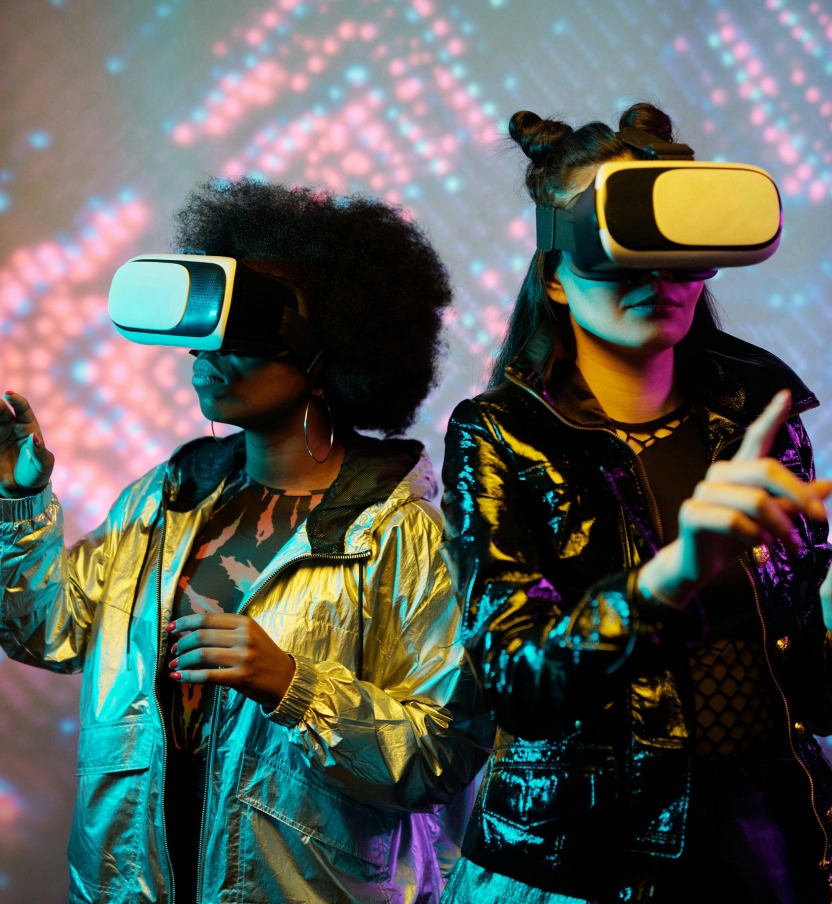
Immersive technologies offer ways to develop these connections further. A QR code could link visitors to an audio story, a digital map could connect several locations, or a virtual experience could introduce a landscape before a visit.
For a literary trail inspired by an ancient epic, interactive content might invite visitors to consider a character’s choices or explore different interpretations of the story. These are possible approaches, rather than features confirmed at The Odyssey filming locations.
The most useful starting point is a clear question: what will help visitors understand, enjoy or connect with this place?
The connection with UPLIFT
Project UPLIFT explores how immersive technologies can support engaging film and literary tourism experiences. Its research, case studies and learning resources help tourism businesses, educators and learners consider how to combine storytelling with practical digital tools.
The Odyssey offers inspiration for that work. It shows how a literary story can reach new audiences through cinema, while opening opportunities to explore the relationship between imagined worlds and real destinations.
For tourism organisations, the challenge is to turn that curiosity into meaningful experiences rooted in the character of the place.