




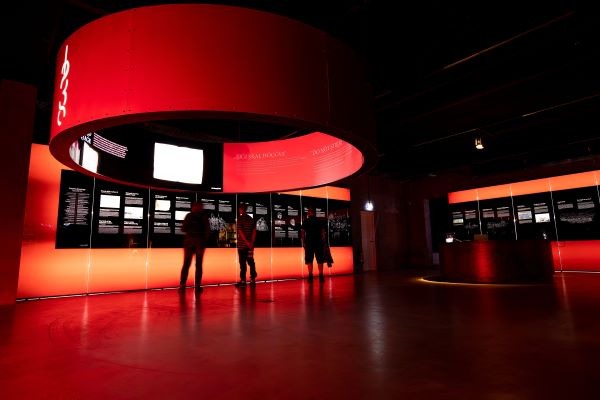
How can a 13th-century saga be transformed into an engaging visitor experience for modern audiences? The 1238: The Battle of Iceland exhibition in Sauðárkrókur offers one answer by combining historical interpretation with immersive technology. Through virtual reality (VR), interactive storytelling, and traditional exhibition methods, visitors are invited not only to learn about Iceland’s medieval past but to experience it firsthand.
Bringing the Icelandic Sagas to a New Audience
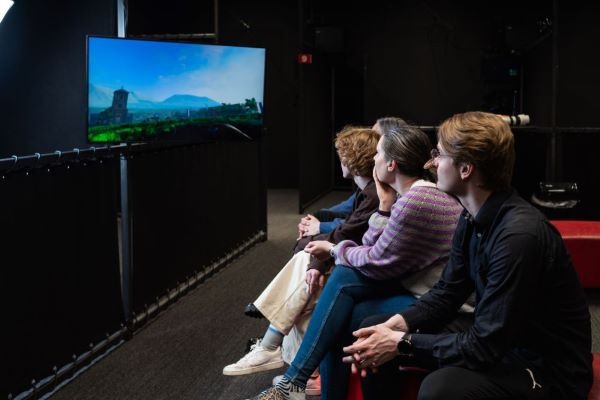
The Icelandic sagas are among the country’s most important cultural treasures. Written in medieval Iceland, they recount stories of settlement, family alliances, conflicts, and dramatic historical events. While many sagas describe events that occurred centuries before they were written down, Sturlunga saga is different. Written during the 13th century, it chronicles contemporary events and political struggles during one of the most turbulent periods in Icelandic history.
The 1238 exhibition focuses on one of these events: the Battle of Örlygsstaðir, fought in 1238 during the Icelandic civil war. Located in Sauðárkrókur, in the heart of the Skagafjörður region where the events unfolded, the exhibition uses immersive technologies to help visitors better understand this pivotal moment in Icelandic history.
Experiencing History Through Virtual Reality
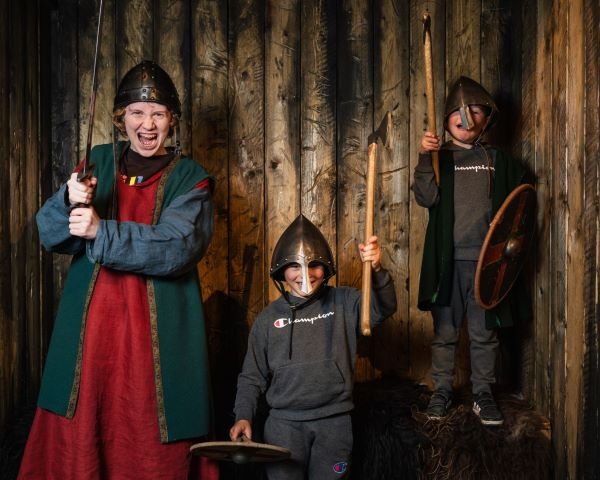
At the centre of the exhibition is a VR experience that allows visitors to participate in the Battle of Örlygsstaðir rather than simply read about it. Equipped with a VR headset, guests can move through the story, interact with their surroundings, and experience the battle from within the narrative.
The aim is not merely to present historical facts but to create an emotional connection with the past. According to the exhibition team, visitors often react strongly to the experience and frequently want to discuss what they have seen and felt afterwards. By encouraging participation and reflection, the exhibition transforms visitors from passive observers into active participants.
Authenticity Matters
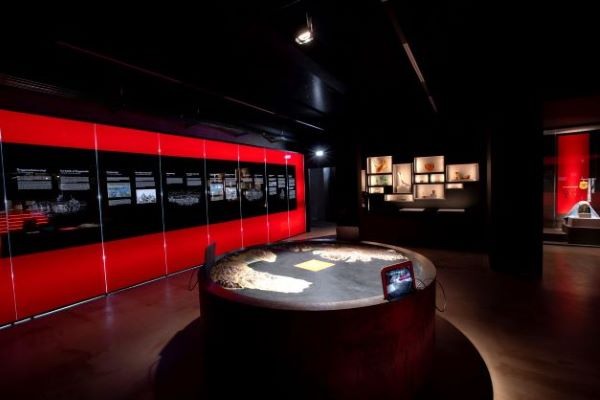
One of the key priorities during development was authenticity. The creators wanted the virtual environment to accurately reflect 13th-century Iceland, including the landscape, vegetation, and architecture of the Skagafjörður region. Rather than relying on generic digital assets, the team worked to ensure that the experience remained grounded in the historical setting and the story being told.
The exhibition also carefully balances immersion with practicality. The VR experience lasts approximately 12 minutes, including a tutorial, ensuring that it remains accessible to visitors while supporting a smooth flow through the exhibition.
Lessons for Immersive Tourism
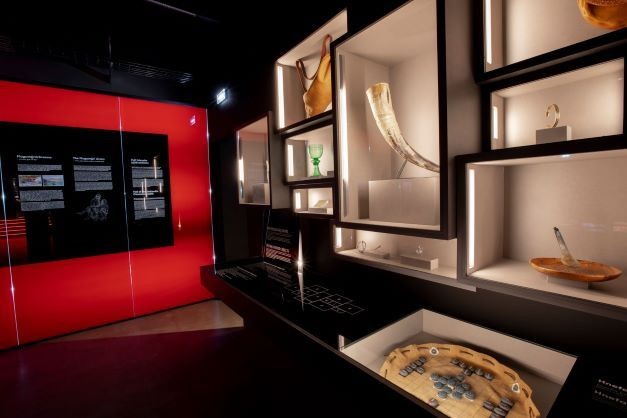
The 1238 exhibition demonstrates that immersive technology works best when it serves the story rather than overshadowing it. While VR is a powerful tool, the exhibition’s success lies in its ability to deepen understanding, spark curiosity, and create emotional engagement with Iceland’s literary and historical heritage.
For museums, heritage attractions, and tourism businesses, the project offers an important lesson: immersive experiences do not have to replace traditional interpretation. Instead, they can complement existing exhibitions, helping visitors connect more deeply with stories, places, and history. As the team behind 1238 emphasises, it is often best to start small, stay focused on the story, and build from there.
Pictures source: 1238: Battle of Iceland