



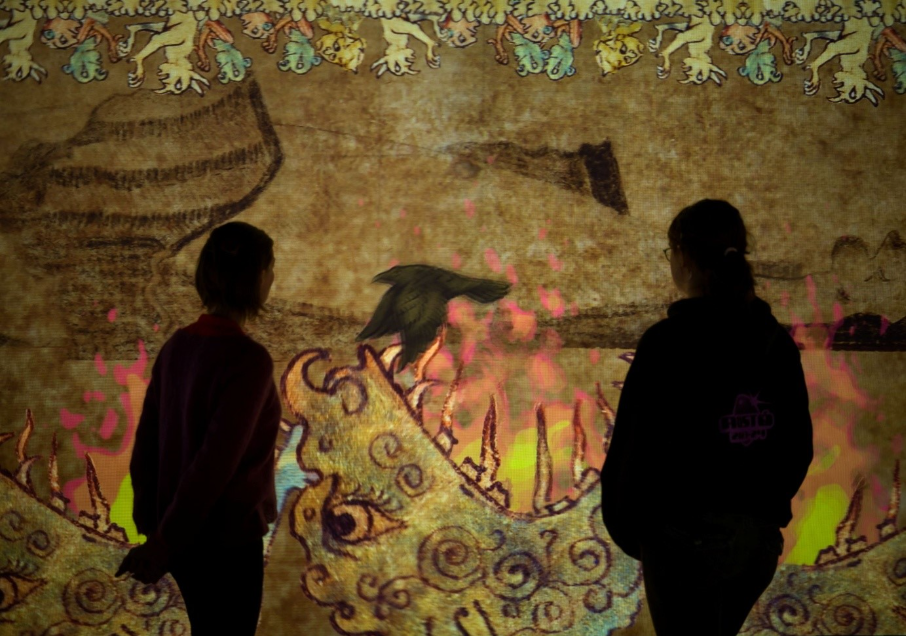
How can manuscripts written hundreds of years ago be made engaging and relevant to visitors today? World in Words (Heimur í orðum), the manuscript exhibition at Edda in Reykjavík, offers an inspiring example of how literary heritage, storytelling, exhibition design and interactive technology can come together to bring the past closer to modern audiences.
The exhibition gives visitors the opportunity to encounter original Icelandic manuscripts – some of the country’s most important cultural treasures – while exploring the stories, ideas and worldview they preserve. Through multimedia, interactive elements and thoughtful interpretation, World in Words demonstrates an important principle at the heart of the UPLIFT project: immersive experiences do not necessarily depend on one particular technology. Instead, they can be created by combining authentic heritage with strong storytelling and opportunities for visitors to explore and participate.
Stepping into the World of the Manuscripts
Iceland’s medieval manuscripts preserve a remarkable literary heritage. They contain famous sagas and poetry, but also texts that provide insight into how earlier generations understood society, religion, power, honour, life and death. World in Words places these original objects at the centre of the visitor experience while opening up the much larger world contained within them.
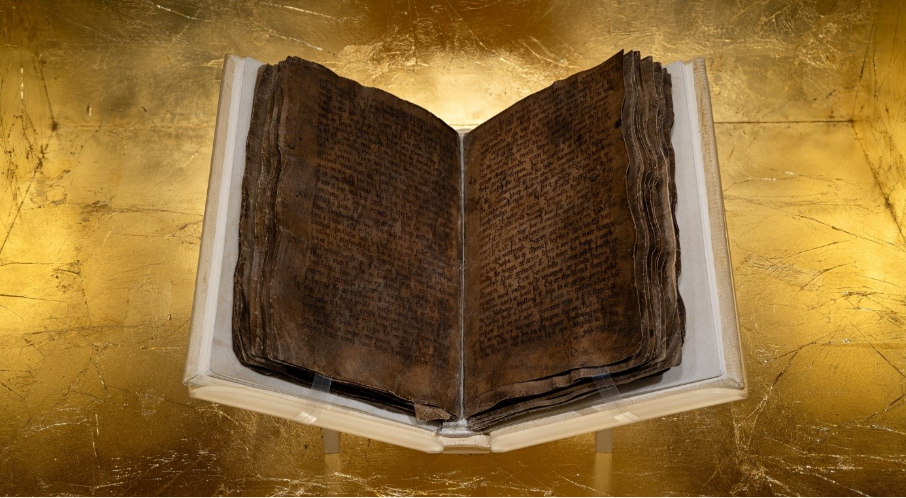
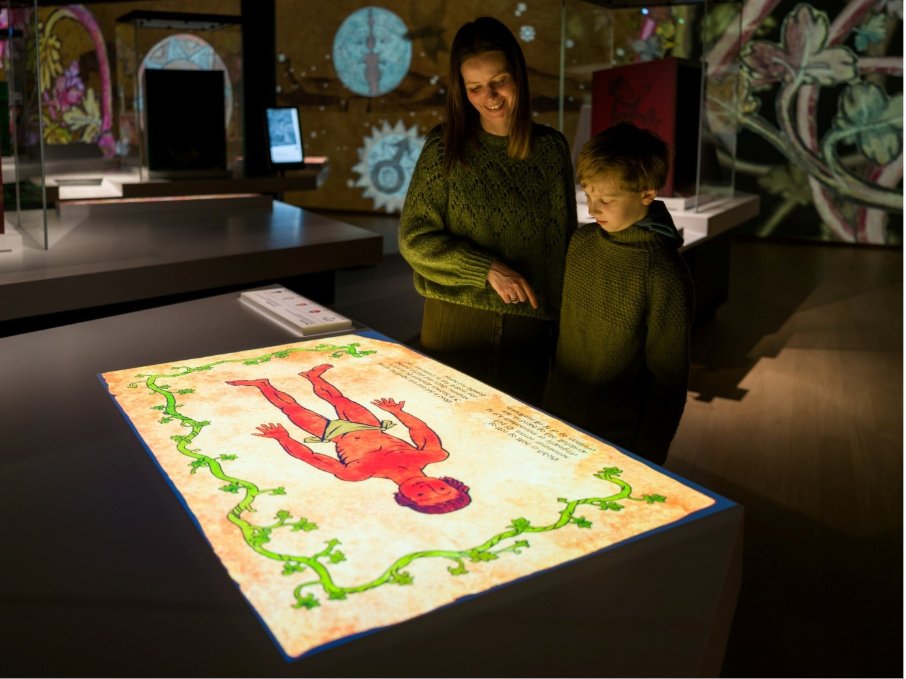
Rather than presenting the manuscripts only as historical objects behind glass, the exhibition uses different forms of interpretation to help visitors understand their stories and cultural context. Text, touchscreens, videos, audio and interactive activities allow visitors to engage with the material in different ways. The exhibition explores themes ranging from the creation and end of the world to travel, relationships and conflict, while also considering the influences that moved between medieval Iceland and the wider world.
The manuscripts themselves also change periodically, allowing different parts of Iceland’s manuscript heritage to be brought into focus. In 2026, for example, five Icelandic manuscripts from Swedish collections were brought to Iceland for display at World in Words.
When Technology Supports the Story
For immersive literary tourism, one of the most interesting aspects of World in Words is the relationship between the original manuscripts and the digital and interactive elements surrounding them.
The technology is not the main attraction. Instead, it helps visitors access stories and ideas that can otherwise be difficult to communicate through centuries-old objects alone. Interactive games, multimedia, readings and visual interpretation provide additional layers through which visitors can explore medieval literature and culture.
This reflects a recurring message from UPLIFT’s research and educational activities: technology works best when it supports the story rather than becoming the story itself.
For cultural attractions, museums and tourism businesses, this is an important consideration. Creating an immersive experience does not always require VR headsets or technically complex solutions. Audio, animation, touchscreens, interactive interpretation and thoughtful exhibition design can all help visitors connect more deeply with a story.
Literature That Continues to Travel
World in Words also highlights something particularly relevant to literary tourism: stories do not remain confined to the pages on which they were written.
The narratives preserved in Icelandic medieval manuscripts have travelled far beyond their original context. Stories and characters from Old Norse literature and mythology have been retold and reimagined repeatedly, appearing in literature, popular culture, films and other forms of storytelling around the world.
This creates an interesting bridge between medieval literary heritage and contemporary visitors. Some may arrive with extensive knowledge of the Icelandic sagas, while others may recognise figures such as Odin, Thor or Loki primarily through modern popular culture. The exhibition can therefore act as a meeting point between the original sources and the many ways their stories have evolved over time.
Lessons for Immersive Literary Tourism
World in Words offers several useful lessons for organisations interested in developing literary and cultural tourism experiences.
Perhaps most importantly, it demonstrates the value of starting with authentic content. The original manuscripts provide the foundation, while storytelling, design and technology make their content more accessible. Different interpretive approaches also give visitors several ways into the material rather than assuming that everyone arrives with the same knowledge or interests.
This combination of authentic heritage and contemporary interpretation can transform literature from something visitors simply read about into something they can explore, hear, see and interact with.
For UPLIFT, World in Words provides a strong Icelandic example of how literary heritage can inspire engaging visitor experiences. It reminds us that immersion is not simply about introducing more technology. At its best, it is about finding new ways to connect people with stories – including stories that have been told for centuries.
Discover World in Words:
https://heimuriordum.is/en
Explore more examples, research and educational resources from UPLIFT:
https://uplifttourism.eu/resources/
All pictures © Heimur í orðum / World in Word