



How can destinations bring history to life when much of the past is no longer visible in the landscape? The Búðaslóð (Booth Trail) at Þingvellir National Park offers one answer through the use of augmented reality (AR), combining heritage interpretation, storytelling, and digital technology to create a more immersive visitor experience.
A Landscape Rich in History
Þingvellir is one of Iceland’s most significant historical sites. It was here that Alþingi, Iceland’s parliament, was established in 930 AD and met annually for almost 900 years. The site also holds deep cultural importance as the location where Iceland declared independence in 1944. Today, Þingvellir is both a UNESCO World Heritage Site and one of Iceland’s most visited attractions.
Despite its importance, much of Þingvellir’s history remains hidden. During the Commonwealth era, thousands of people gathered at Alþingi each summer, living in temporary booths constructed from turf, stone, and timber. Because these structures were built from natural materials, few visible traces remain today.
Revealing the Past Through Augmented Reality
To help visitors visualise this lost landscape, Þingvellir National Park created Búðaslóð, an AR-enhanced walking trail. Along the route, visitors scan QR codes with their mobile devices to access digital reconstructions that show how the assembly site may have appeared around the year 1000. Through these reconstructions, visitors can explore historical settings and gain a deeper understanding of daily life during Alþingi.
The project demonstrates how relatively simple digital tools can be used to enrich heritage experiences. Rather than replacing the physical environment, the AR content adds an extra layer of interpretation that helps visitors understand what once stood before them.
Where Literature and Heritage Meet
What makes the trail particularly relevant to immersive literary tourism is its connection to Njáls saga, one of Iceland’s most celebrated medieval sagas. Several stops along the trail incorporate events and characters from the saga, allowing visitors to engage with both history and literature simultaneously.
The five stops include Alþingi 1017 AD, The Camp, The Duel, Bishop’s Booth, and Love Story. Together, they tell stories of legal disputes, daily life at the assembly, and the famous relationship between Gunnar Hámundarson and Hallgerður Langbrók. By linking these narratives to real locations, the trail creates a stronger sense of connection between visitors and the stories associated with Þingvellir.
Lessons for Immersive Tourism
Búðaslóð highlights how immersive experiences can be created without extensive infrastructure or expensive equipment. Using smartphones and QR codes, visitors gain access to stories, people, and environments that would otherwise remain invisible. The experience adds context to the landscape while encouraging deeper engagement with both cultural heritage and literature.
For tourism organisations interested in immersive experiences, the project offers an important lesson: successful immersive tourism is not necessarily about advanced technology. Instead, it is about using technology to strengthen storytelling, reveal hidden heritage, and create meaningful connections between visitors and place. Búðaslóð demonstrates how even simple AR solutions can bring new dimensions to cultural and literary tourism.
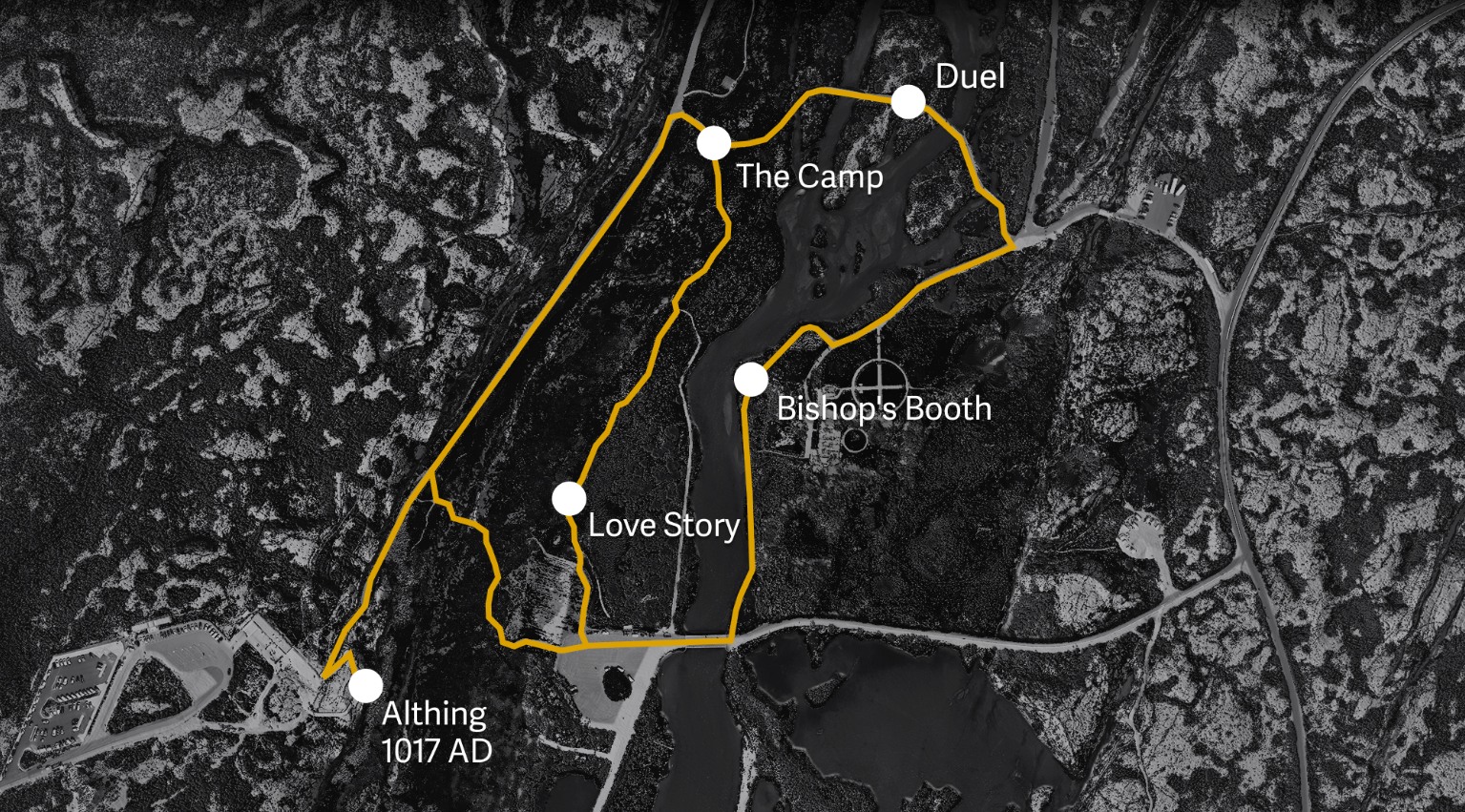
The Booth Trail map, source: Þingvellir Natural Park
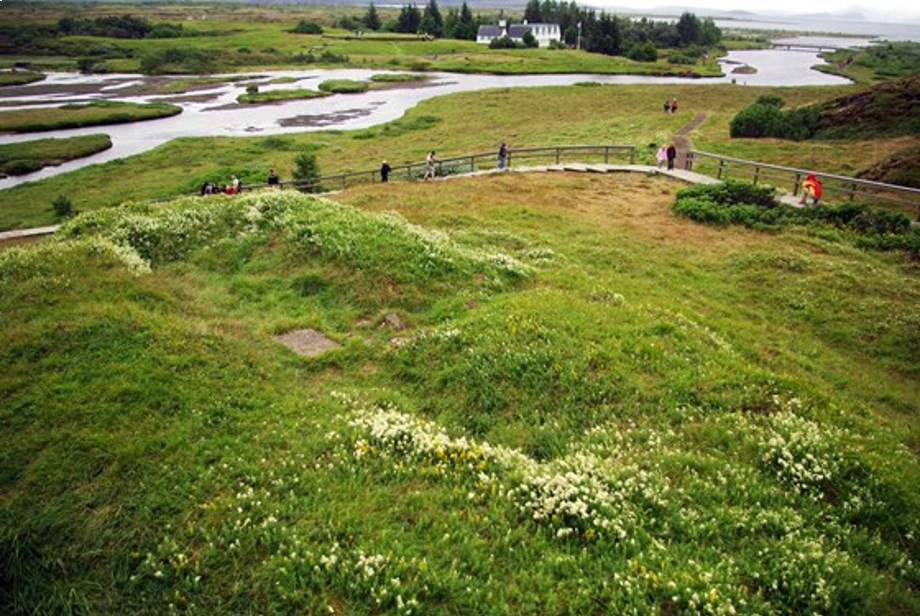
Snorrabúð, source Þingvellir Natural Park
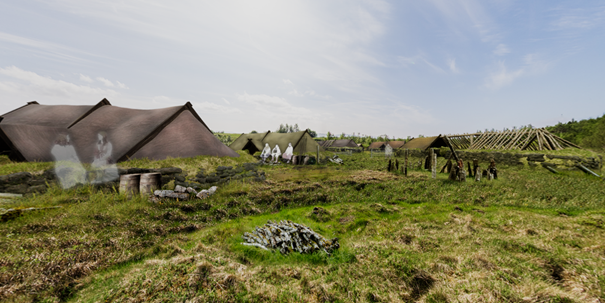
Glimpse into the past, source Þingvellir National Park